
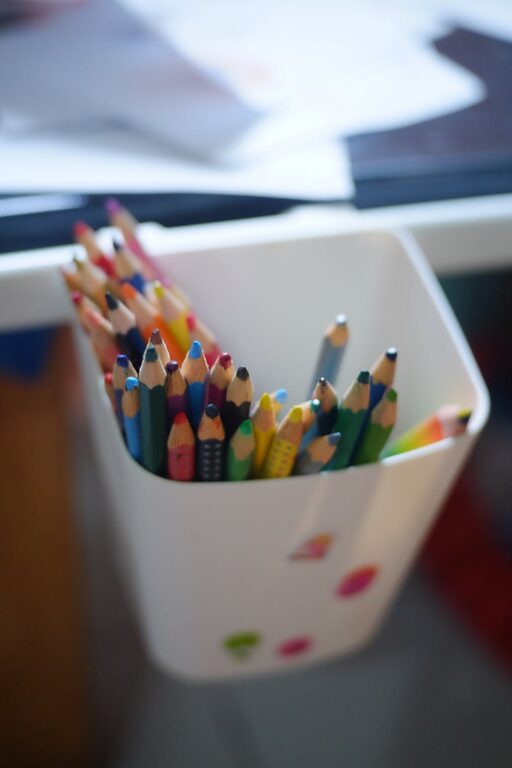
Every parent knows the joy—and the challenge—of managing their children’s ever-growing collection of artwork. From finger paintings and colorful drawings to school projects and crafts, kids produce a remarkable amount of creativity. While these pieces are precious reminders of their growth and imagination, they can quickly create clutter if not managed well. In this post, we’ll explore practical and creative tips to help you keep your kids’ artwork organized without losing those treasured memories.
Why Organizing Kids’ Art Matters
Before diving into the how-to, it’s good to understand why organizing your child’s art is beneficial:
– Preservation: Proper storage protects artwork from damage such as fading, tearing, or wrinkling.
– Memories: Organized art makes it easier to revisit and enjoy special moments.
– Clutter Control: Helps maintain a tidy living space and reduces stress.
– Encourages Creativity: Shows your child that their work is valued, motivating them to create more.
Setting Up an Artwork Organization System
The key to success is establishing a system that works for you and your family’s lifestyle.
1. Designate a Display Area
Create a special space where your children’s latest masterpieces can be showcased. This can be:
– A corkboard or magnetic board in a common area
– A dedicated wall with clips or string and clothespins
– A digital photo frame that cycles through scanned artwork
Rotating the display keeps the space fresh and ensures that new creations get their moment to shine.
2. Sort and Decide What to Keep
Not every piece needs to be saved forever. Involve your child in picking favorites, which helps them feel proud and teaches decision-making. Here’s a simple method:
– Keep: Truly special pieces, milestones, or ones with personal stories
– Recycle: Items of less significance or duplicates
– Gift: Share art with family members or close friends as presents
3. Use Storage Solutions That Suit Your Space
Depending on how much you want to keep and how much room you have, consider these storage ideas:
– Portfolios or Art Binders: Large plastic sleeves in binders hold flat artwork safely and make browsing simple.
– Storage Boxes: Label boxes by year or child to contain bulkier crafts.
– Filing Cabinets: Use file folders organized by date or theme.
– Digital Storage: Photograph or scan artwork and save images on your computer or cloud storage to reduce physical clutter.
Organizing Tips for Different Types of Artwork
Art comes in many forms, so tailor your system to fit your child’s creations.
Flat Paper Artworks
– Use clear plastic sleeves or binders.
– Keep only the most meaningful pieces.
– Group by age or school year for easy reference.
3D Creations and Crafts
– Display on shelves temporarily, then select favorites for longer-term storage.
– Photograph before recycling to keep memories without taking up space.
– Store really special pieces in labeled boxes with padding.
Digital Art and Photos
– Create folders on your device organized by date or project.
– Consider apps designed to archive children’s art.
– Share digital albums with family and friends.
Getting Kids Involved in Organization
Encourage your children to participate in the artwork organization process:
– Let them choose which creations to display or save.
– Teach them to care for and store their work.
– Use organizing as a chance to talk about their feelings and stories behind each piece.
This involvement builds responsibility and pride.
Creative Ideas to Repurpose Kids’ Art
Transforming artwork into useful or decorative items can add extra value:
– Art Books: Compile photos or scans into printed photo books.
– Greeting Cards: Cut pieces to make personalized cards for holidays or birthdays.
– Wrapping Paper: Use drawings as unique, creative wrapping for gifts.
– Gallery Wall: Frame selected pieces to decorate your home.
– Custom Gifts: Use art to create calendars, mugs, or t-shirts through online services.
Tips for Maintaining Your System
Once in place, keep your organization system effective with these habits:
– Regularly update your display area, rotating old art out.
– Schedule art “review” sessions every few months.
– Encourage quick photo documentation of new artwork.
– Keep supplies like folders, boxes, and labels easily accessible.
– Celebrate milestones by looking back through stored artworks together.
Final Thoughts
Organizing kids’ art doesn’t have to be overwhelming. With a clear system and a little creativity, you can preserve the precious memories while keeping your home neat and inspiring. Remember, the goal is to honor your child’s creativity and create lasting keepsakes you and your family will cherish for years to come.
Happy organizing!