
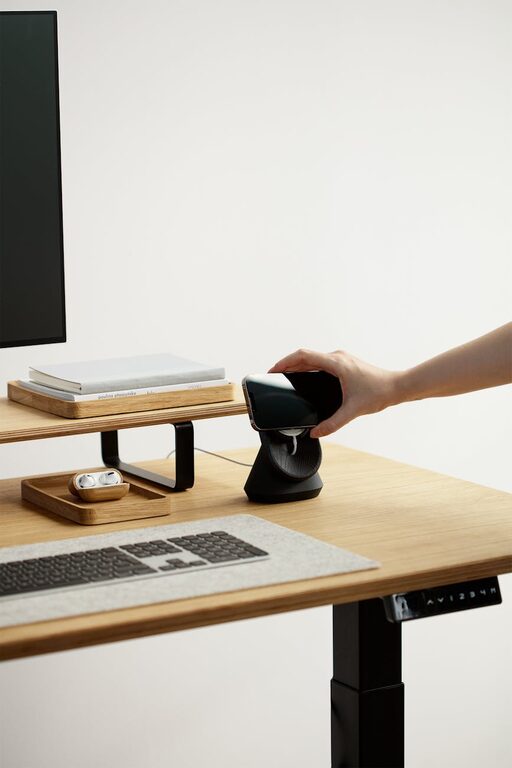
Creating a relaxing home workspace is essential for maintaining focus, reducing stress, and improving overall productivity. Whether you work remotely full-time or just need a dedicated area for occasional tasks, designing an environment that feels calm and inviting can make all the difference. In this post, we will explore practical tips and ideas for setting up a home workspace that helps you stay centered and motivated.
Why a Relaxing Workspace Matters
A cluttered or noisy workspace can increase stress and make it difficult to concentrate. On the other hand, a well-designed, soothing environment supports creative thinking and efficient work. When you feel calm, your mind is more likely to stay focused, and your energy levels can remain steady throughout the day.
Choose the Right Location
The first step is selecting a spot in your home that suits your needs:
– Quiet and private: Ideally, choose a space away from high-traffic areas like the kitchen or living room.
– Natural light: Exposure to natural light improves mood and productivity. Place your desk near a window if possible.
– Comfortable temperature and ventilation: Make sure the space is not too hot or cold and has good airflow.
Invest in Comfortable Furniture
Since you’ll be spending a lot of time here, comfort is key:
– Ergonomic chair: Look for a chair with adjustable height and good lumbar support.
– Spacious desk: Ensure enough surface area for your computer, paperwork, and other essentials.
– Footrest and monitor stand: These accessories can help reduce physical strain and improve posture.
Declutter and Organize
A clutter-free environment fosters relaxation and reduces distractions.
– Minimal desk setup: Keep only necessary items on your desk to maintain a clean look.
– Storage solutions: Use shelves, drawers, or containers to organize supplies and paperwork.
– Cable management: Use clips and sleeves to keep wires tidy and prevent tangles.
Use Calming Colors and Decor
Colors influence mood and focus. Soothing tones can create a peaceful atmosphere.
– Choose soft shades: Blues, greens, and neutrals are great for relaxation.
– Add plants: Indoor plants purify the air and bring a touch of nature.
– Incorporate personal touches: Photos, artwork, or inspirational quotes can make the space feel welcoming without overcrowding it.
Control Lighting
Proper lighting reduces eye strain and creates a pleasant ambiance.
– Layered lighting: Combine natural light with task lighting like desk lamps.
– Adjustable brightness: Use lamps with dimmers or multiple settings to suit different times of day.
– Avoid glare: Position your monitor and light sources to minimize reflections.
Manage Noise Levels
Background noise can be distracting, but some sounds help concentration.
– Noise-canceling headphones: Useful for blocking out household sounds.
– White noise machines or apps: These can mask interruptions with soothing sounds.
– Soft music: Instrumental or classical music can enhance focus without being disruptive.
Incorporate Break Spots
Taking breaks is crucial for maintaining relaxation and productivity.
– Comfortable seating: A cozy chair or cushion nearby encourages short rest periods.
– Stretching area: Clear space for simple stretches to reduce tension.
– Mindfulness corner: A spot with calming items like a candle or diffuser can support quick relaxation exercises.
Establish Boundaries and Routine
Creating mental separation between work and home life helps you stay relaxed.
– Set clear work hours: Stick to a schedule to avoid overworking.
– Use a ‘do not disturb’ sign: Communicate when you need uninterrupted focus time.
– End-of-day ritual: Close your workspace or cover your desk to signal the end of work.
Regularly Refresh Your Workspace
A workspace shouldn’t feel static.
– Seasonal updates: Swap decor or colors to keep things fresh.
– Reassess organization: Periodically declutter to maintain efficiency.
– Evaluate comfort: Adjust furniture or lighting as needed.
—
By following these tips, you can create a home workspace that not only supports productivity but also nurtures your well-being. A calming environment can transform the way you work, helping you stay focused, reduce stress, and enjoy your daily tasks more fully. Start small by adjusting one area today, and watch your workspace evolve into a haven of relaxation and efficiency.