
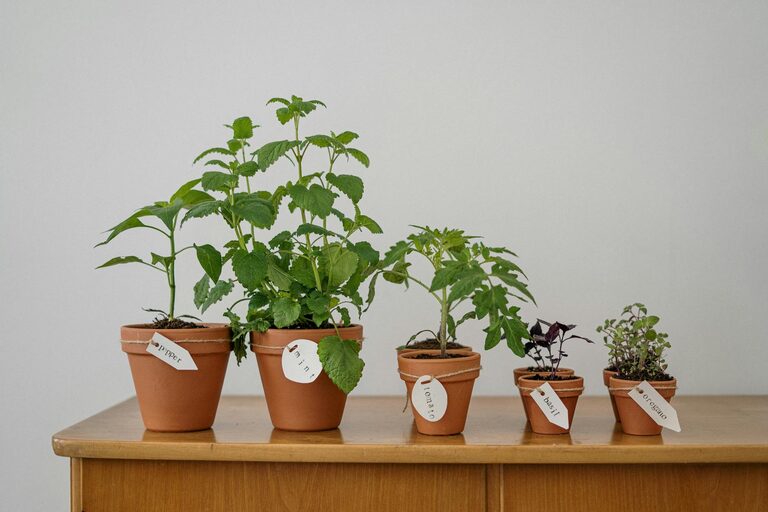
Starting a small herb garden indoors is a rewarding and practical way to enhance your cooking and brighten up your living space. Whether you’re limited on outdoor space or want fresh herbs year-round, an indoor herb garden can provide you with fresh flavors and natural greenery right at your fingertips. This guide will walk you through everything you need to know to start your own indoor herb garden successfully.
Why Grow Herbs Indoors?
Indoor herb gardens offer several benefits:
– Fresh herbs available anytime for cooking
– Saves money compared to buying fresh herbs regularly
– Adds natural beauty and pleasant aromas to your home
– Provides a fun and educational hobby
– Can improve indoor air quality
Even if you’ve never gardened before, starting small with herbs is manageable and enjoyable.
Choosing the Right Herbs for Indoor Growth
Not all herbs thrive indoors equally, so picking the right ones is key. Here are some easy-to-grow indoor herbs to consider:
– Basil: Loves warmth and bright light, great for Italian dishes.
– Mint: Grows quickly and tolerates some shade, but can spread fast.
– Parsley: Prefers moderate light and regular watering.
– Thyme: Hardy and drought-resistant, needs plenty of sun.
– Chives: Handles low light better than many herbs.
– Cilantro: Best in cooler indoor spots, easy to grow from seed.
Avoid herbs that require a lot of space or full outdoor sun, such as rosemary or lavender, unless you have a very sunny window.
What You’ll Need to Get Started
Before planting, gather these supplies:
– Containers: Small pots or containers with drainage holes
– Potting mix: Light, well-draining soil designed for indoor plants
– Seeds or starter plants: Choose based on your preference and how much time you want to invest
– A sunny spot: A window with 6+ hours of sunlight or a grow light
– Watering can: For gentle watering
– Labels: Optional, to keep track of different herbs
Step-by-Step Guide to Planting Your Herb Garden
Step 1: Prepare Your Containers
Select pots with drainage holes to prevent waterlogging. Fill them about 3/4 full with potting mix, leaving space to plant your herbs.
Step 2: Plant Your Herbs
– For seeds: Follow packet instructions on planting depth. Generally, sprinkle seeds on the soil surface and cover lightly.
– For starter plants: Gently remove from nursery pots and place in your container, filling soil around the roots.
Step 3: Watering
Water the soil until it’s evenly moist but not soggy. Indoor herbs prefer consistent moisture, so check daily and water when the top inch feels dry.
Step 4: Choose the Best Spot
Place your containers near a sunny window where they get at least 6 hours of direct sunlight. If natural light is limited, consider using LED grow lights to provide adequate light.
Step 5: Monitor and Maintain
– Check soil moisture regularly.
– Rotate pots weekly for even growth.
– Pinch off flower buds to encourage leaf growth.
– Fertilize monthly with diluted, balanced fertilizer if needed.
Tips for Success
Light Is Key
Herbs generally love bright light. South-facing windows are ideal. Without enough light, herbs may become leggy or weak.
Watch the Temperature
Most herbs thrive in temperatures between 65-75°F (18-24°C). Avoid placing them near heat vents or drafts.
Don’t Overwater
Overwatering is a common mistake. Ensure pots drain well, and allow soil to dry slightly between watering.
Harvest Regularly
Harvest leaves by pinching them or using scissors. Regular harvesting encourages bushier plants and prevents overgrowth.
Pest Prevention
While indoor herbs face fewer pests than outdoor gardens, occasional issues like aphids can occur. Wiping leaves with a damp cloth or using organic insecticidal soap can help.
Common Problems and Solutions
| Problem | Cause | Solution |
|———————|————————|——————————|
| Leggy, weak stems | Insufficient light | Increase light exposure |
| Wilting leaves | Over or underwatering | Check moisture; adjust watering|
| Yellow or brown leaves | Nutrient deficiency or stress | Use balanced fertilizer; improve care|
| Pests on leaves | Aphids or mites | Clean leaves; organic pest control|
Making It Fun and Decorative
Indoor herb gardens don’t have to be just functional. Consider:
– Cute or colorful pots that match your décor
– Hanging planters or vertical herb gardens for space saving
– Mixing herbs with small flowers or succulents for variety
– Using chalkboard labels or decorative markers to identify herbs
Final Thoughts
Starting a small herb garden indoors is easy and fulfilling, providing fresh flavors and a touch of nature inside your home. By choosing suitable herbs, providing good light, proper watering, and a bit of care, you can enjoy a thriving herb garden all year round. Give it a try and enjoy the many benefits these tiny plants bring to your kitchen and living space.
Happy gardening!