
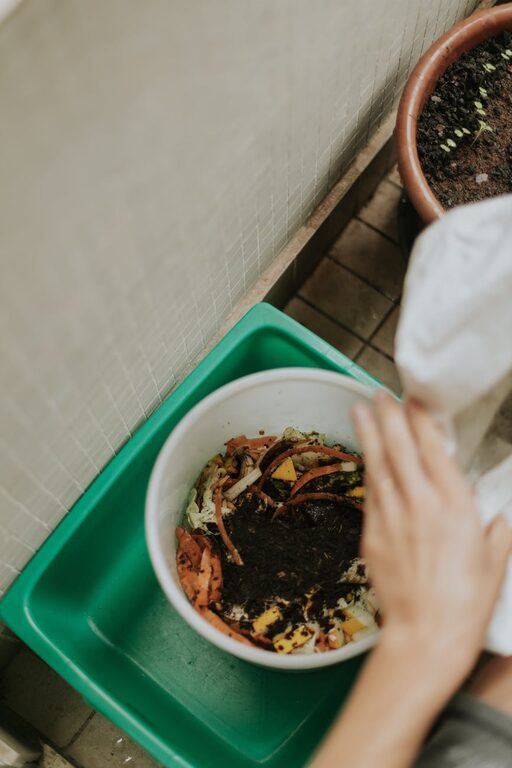
Reducing food waste at home is a practical way to save money, conserve resources, and help protect the environment. Many households throw away perfectly good food without realizing the impact it has. Fortunately, there are many straightforward strategies you can adopt to cut down on waste and make the most of your groceries. In this post, we will explore easy and effective ways to reduce food waste in your daily life.
Why Reducing Food Waste Matters
Before diving into the tips, it’s helpful to understand why reducing food waste is important. When food is wasted, all the water, energy, and labor used to produce that food are also wasted. Additionally, food waste contributes significantly to landfill mass and produces methane, a potent greenhouse gas. By minimizing food waste, households can contribute to sustainability and reduce their environmental footprint.
Plan Your Meals
One of the most effective ways to reduce food waste starts even before you step into the kitchen.
Make a Weekly Meal Plan
– Plan your meals for the week around what you already have.
– Consider how many people will be eating and portion accordingly.
– Avoid buying items without a specific meal in mind.
Create a Smart Grocery List
– List only the essentials based on your meal plan.
– Check your pantry and fridge to avoid duplicate purchases.
– Stick to the list to prevent impulse buys that may go unused.
Store Food Properly
How you store food can significantly affect how long it stays fresh.
Keep Fruits and Vegetables Fresh
– Use perforated produce bags to let vegetables breathe and reduce moisture.
– Store leafy greens in damp paper towels inside a sealed container.
– Separate ethylene-producing fruits (like apples and bananas) from others to prevent premature ripening.
Organize Your Fridge and Pantry
– Place newer items behind older ones so you use the older products first.
– Use clear containers to make food visibility easier.
– Label leftovers with dates to keep track of freshness.
Use Leftovers Creatively
Leftovers are a common source of food waste, but with a little creativity, they can become delicious new meals.
Repurpose Leftover Ingredients
– Turn roasted vegetables into soups or casseroles.
– Use extra rice or grains in salads and stir-fries.
– Transform stale bread into croutons or breadcrumbs.
Eat Leftovers Promptly
– Plan meals that use leftovers within 1-2 days.
– Freeze portions that won’t be eaten soon.
Practice Portion Control
Over-preparing food often leads to waste.
Serve Smaller Portions
– Start with smaller servings and offer seconds if needed.
– Use measuring cups or scales if necessary to gauge portions.
Share or Donate Excess Food
– If you have extra food that is still fresh, consider sharing with friends or neighbors.
– Some local organizations accept surplus food donations.
Compost Food Scraps
Not all food scraps need to go in the trash.
Start a Compost Bin
– Compost vegetable peelings, coffee grounds, eggshells, and other organic waste.
– Avoid composting meat, dairy, and oily foods as they attract pests.
Use Compost in Your Garden
– Compost enriches soil and reduces landfill waste.
– If you don’t have a garden, check if your community offers composting programs.
Monitor Expiration Dates Wisely
Confusion about expiration dates can cause premature disposal.
Understand Date Labels
– “Sell by” is for retailers, “Use by” indicates peak quality, and “Best before” suggests when food is best.
– Many foods are safe to eat after the “Best before” date if stored properly.
Rotate Stock Regularly
– Use older items first.
– Keep track of dates using a whiteboard or app.
Shop Smart
Your shopping habits have a big impact on food waste.
Buy Loose Produce
– Buying loose fruits and vegetables allows you to select the quantity you need.
Avoid Overbuying Sales
– Don’t be tempted by bulk offers unless you can use the food before it spoils.
Conclusion
Reducing food waste at home is achievable with a little planning and mindfulness. By adopting meal planning, proper storage, creative use of leftovers, portion control, composting, and smart shopping habits, households can significantly reduce the amount of food sent to the trash. These simple steps not only help the environment but also lead to cost savings and a more enjoyable food experience.
Start small with one or two tips and gradually incorporate more into your routine. Every effort counts toward building a more sustainable kitchen and reducing your waste footprint.